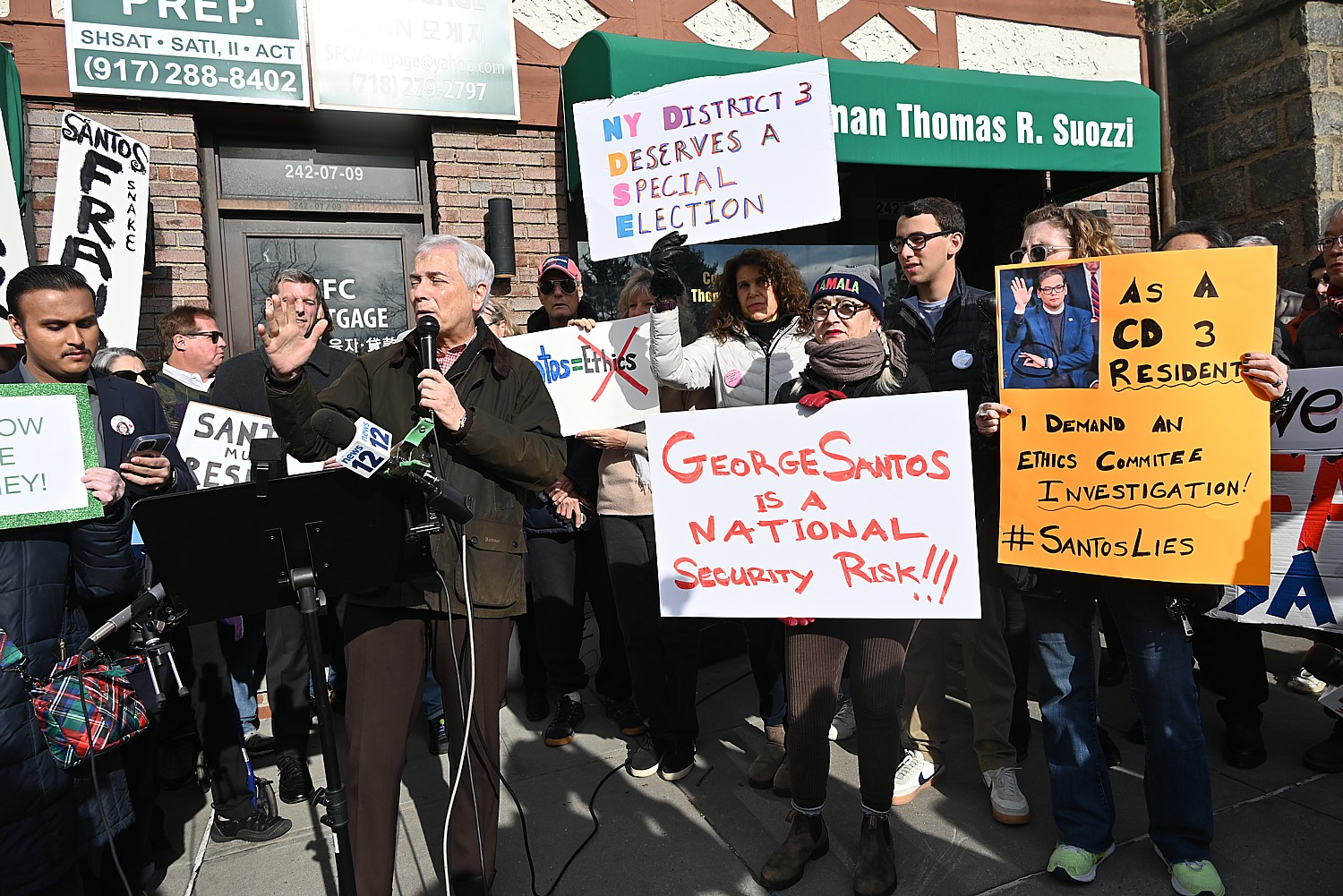
WASHINGTON, D.C. — On a brisk December morning in 2023, the United States House of Representatives voted decisively to expel Representative George Santos following a lengthy ethics investigation, marking one of the few times in modern history a member has been forcibly removed from Congress. The vote, 311 to 114, underscored deep concerns within both parties about allegations of fraud, financial misconduct, and misrepresentation surrounding Santos’s campaign and personal history, according to congressional sources and media reporting.
Across the Capitol, the leadership of the House was rocked further by a stunning announcement: former Speaker of the House Kevin McCarthy declared that he would resign from Congress at the end of the year. The dual shake-ups reduced the already narrow Republican margin in the House and sent ripples through the political landscape, raising fresh questions about party control, upcoming legislative battles, and the 2024 election cycle, according to contemporaneous reporting.
The expulsion vote followed public revelations about Santos’s use of campaign funds, discrepancies in his biography, and alleged misuse of donor money, findings detailed by House ethics investigators. Many lawmakers from both parties said that continuing to seat Santos would have undermined public trust. “We are not punishing a man for his politics, but holding him accountable for his actions,” Representative [name withheld] said on the floor after the vote. Several members who had initially defended Santos expressed regret, citing what they called “shocking new evidence.”

Meanwhile McCarthy’s resignation announcement stunned colleagues, some of whom had hoped he might remain as a stabilizing figure even after his removal as Speaker earlier in October. In a public statement, McCarthy said that after 17 years in Congress, it was time for him to step aside, emphasizing his belief in “service over politics” and expressing gratitude for the opportunity to serve. He added that the vote against Santos reaffirmed the principle that “public office comes with public trust.” Political analysts described the timing as consequential: with two Republican seats vacated, the party’s slim majority faced serious weakening just as a new election cycle loomed.
Inside the GOP conference, concern spread rapidly. In hallway conversations outside committee rooms, some Republicans voiced worry that losing both Santos and McCarthy could hinder passage of key legislation. One senior aide, speaking off the record, predicted renewed jockeying for leadership positions and increased pressure on vulnerable incumbents in swing districts. At the same time, Democrats and some independents saw an opening. Advocates for ethics reform suggested that the Santos expulsion could trigger broader efforts to tighten campaign finance oversight and member vetting procedures.
At the same time, public reaction was mixed. Some constituents said they welcomed the expulsion, saying it restored faith in Congress’s ability to police itself. Supporters of Santos decried what they called “symbolic politics,” arguing that the vote ignored larger systemic issues and framed the affair as a partisan spectacle rather than sober accountability. Meanwhile McCarthy’s departure drew both praise and criticism, with younger lawmakers calling it a “generational shift,” while senior members lamented the loss of institutional memory.
As December progressed, the House leadership prepared for a transition. A special election to fill Santos’s former seat was expected, and Republican leaders began informal discussions about possible successors to McCarthy’s long tenure in Congress, even as they braced for a challenging election season. Observers noted that the dual exits could reshape not only chamber dynamics but also the narrative for control of Congress in 2024.
Late in the evening, just outside the Capitol, a small group of protestors gathered holding signs reading “Clean House” and “Trust, Not Corruption.” Onlookers snapped photos by phone as media lights illuminated the group. One protestor, who gave her name as Maria Lopez, said she believed the expulsion was “a first step toward accountability,” but added she was “not optimistic” change would stop there.
In offices up and down the Hill, staffers updated files, redistributed committee memberships, and began mapping out contingency plans. For some members, the sudden shift meant reconsidering priorities — with some bills quietly shelved and others fast-tracked in hopes of concluding before the next Congress convenes.
The expulsion of George Santos and the imminent departure of Kevin McCarthy marked a rare moment of upheaval. For many inside the building, it was a moment of reckoning. For observers and voters, it raised a question looming over the coming year: whether this shake-up could lead to lasting reform or fade into the noise of a chaotic election cycle.