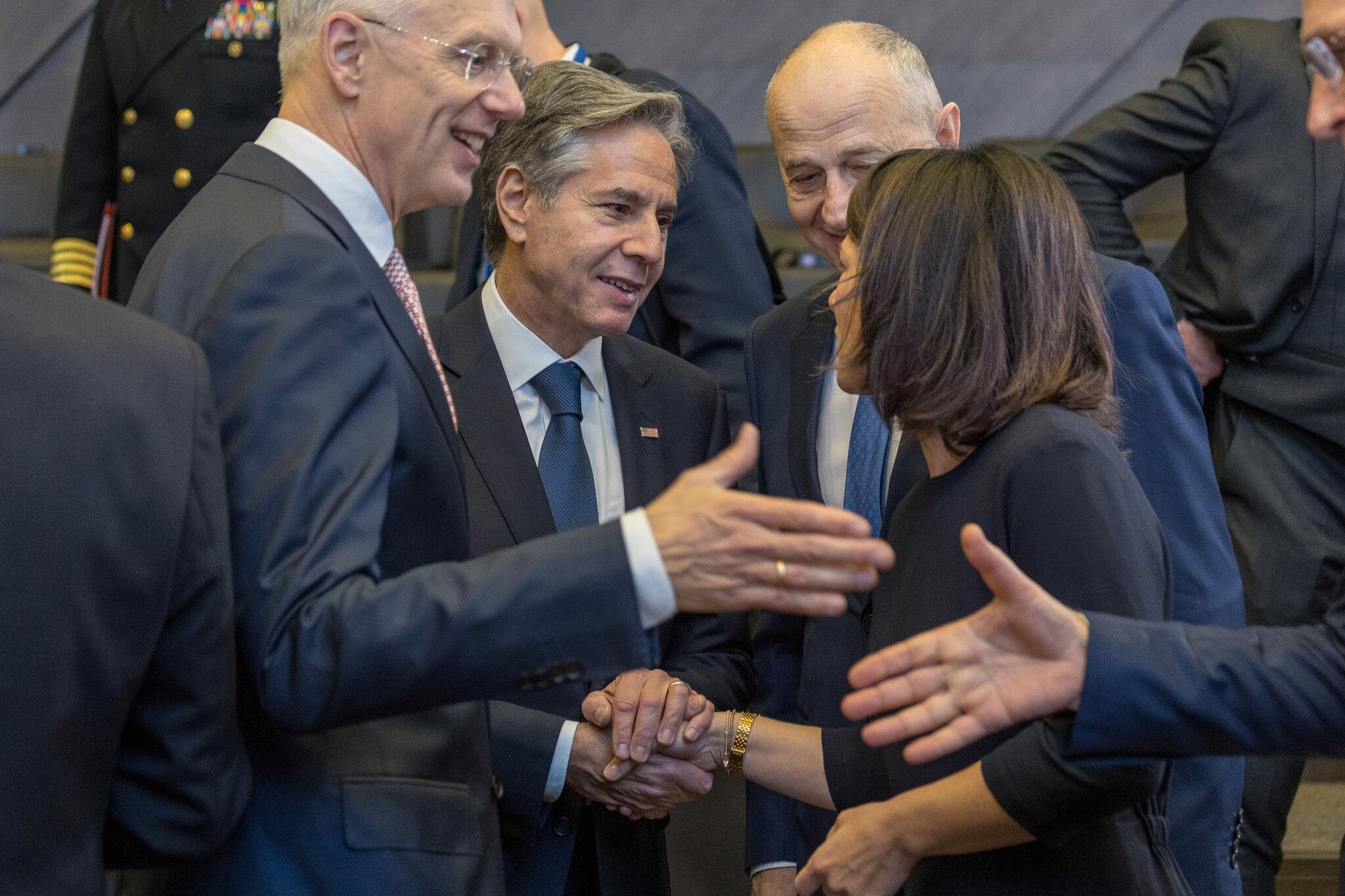
As the conflict in Ukraine stretches into its third year, international diplomacy has shifted into high gear. In early March 2024, leaders of the NATO convened in Brussels for a meeting of foreign ministers. The message sent by the alliance was unmistakable: support for Ukraine remains vital, and long‑term assistance must be guaranteed.
At the opening of the meeting, Jens Stoltenberg, NATO’s Secretary‑General, spoke plainly about the urgency of the situation. According to his public remarks, he said “Ukraine is closer to membership than ever before” and insisted that as soon as political conditions align, “we can make a decision and Ukraine can become a member very quickly after that.” He further argued that stable, predictable security assistance to Kyiv must replace the patchwork of short‑term aid pledges previously relied upon.

In Kyiv, the sentiment was echoed by Volodymyr Zelenskyy, President of Ukraine. He publicly voiced appreciation for NATO’s expressed commitment and said Ukraine would continue to defend its territory until “victory and lasting peace” are secured. The Ukrainian leadership argued that their country’s integration into the alliance would safeguard not just Ukrainian sovereignty, but European stability as well.
Meanwhile, in East Asia, tensions remained high. Tsai Ing-wen, President of Taiwan, used her New Year’s address, delivered January 1, 2024, to reaffirm that the island’s future must be decided by its people. She said that democratic principles should guide cross‑strait relations and that unity imposed by external pressure would not be accepted. In her words, “every home has locks … to make yourself safer,” a metaphor she applied to Taiwan’s national security and its right to self‑determination.
As geopolitical flashpoints multiplied, global energy and security markets responded. Observers told news agencies that volatility in commodity prices and supply chains is increasingly tied to developments in Ukraine and the broader uncertainty sweeping across Europe and Asia.
Within NATO corridors, several foreign ministers publicly urged for a long‑term strategic framework: one that would guarantee Ukraine a stable supply of arms, coordinated defense planning, and a clearly defined timeline for integration. Some raised concerns about donor fatigue and the possibility of internal divisions undermining support, but Stoltenberg dismissed such fears, arguing that “collective defense” is the alliance’s core and that wavering aid now could embolden aggression.
Back in Kyiv, ordinary citizens felt the weight of those international debates. In neighborhoods rebuilt or scarred by earlier waves of conflict, conversations among parents, teachers, and workers turned repeatedly to what the next months might bring: will peace come, will war drag on, and would a Ukrainian‑NATO alignment truly promise security or draw deeper conflict.
With repeated commitments from NATO leaders, renewed Ukrainian resolve, and global attention still fixed on war and diplomacy, the coming months may determine whether Europe enters an uneasy détente — or marches toward deeper conflict.