In April 2024, two major developments shook the political landscape across the United States: a sweeping court decision in Arizona that revived a near‑total abortion ban, and a wave of nationwide protests linking U.S. foreign‑policy, social justice, and activist energy into one stirring national moment.
On April 9 the Arizona Supreme Court ruled 4‑2 that an 1864 territorial law banning almost all abortions could be enforced in the state, even though it had long lain dormant. The decision overturned more recent state legislation that had allowed abortion up to 15 weeks, meaning abortions, except when the mother’s life is at risk, would become punishable by felony.
The ruling drew immediate condemnation from Democratic officials and reproductive‑rights supporters. Kris Mayes, Arizona’s attorney general, called the decision “unconscionable and an affront to freedom” and announced she would refuse to prosecute under the law. Others, including the court’s majority, argued that the 1864 statute remains valid since more recent legislation relied on a now‑overturned federal precedent.
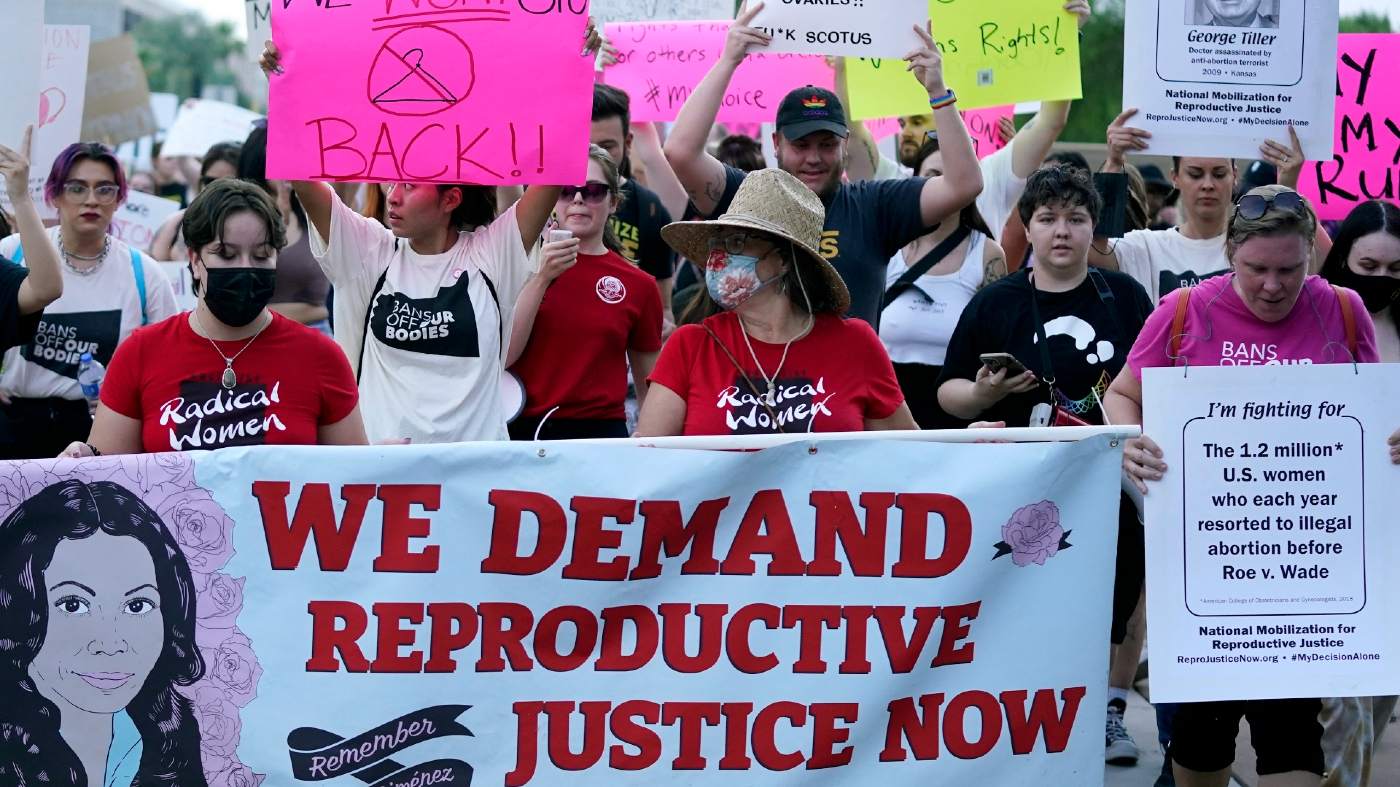
In response to the Arizona ruling, protests erupted almost immediately. Not only in Phoenix, but in cities across the country. Reproductive‑rights rallies converged with anti‑war demonstrations and broader gatherings of dissent. That convergence culminated on April 15, when thousands of protesters across the U.S. acting against the ongoing Israel-Gaza war blocked major roads, bridges, and airport access routes. Demonstrations at Golden Gate Bridge in San Francisco shut traffic for hours; others blocked access to O’Hare International Airport in Chicago and disrupted travel near major airports in New York, Oregon, and beyond. Protesters described the day as part of a coordinated “economic blockade” meant to force U.S. attention on the humanitarian crisis in Gaza.

One demonstrator at the Golden Gate Bridge told a local journalist: “We will not stay silent while bombs fall and the U.S. keeps fueling this war.” Another protestor at O’Hare described a sense of urgency: “We use our bodies, our disruption, because words were ignored.”
Meanwhile, back in Arizona the controversy extended beyond the courts. Clinics and abortion‑rights organizations scrambled to prepare for a possible ban. Planned Parenthood Arizona announced it would continue offering abortion services “for as long as legally possible” and urged supporters to prepare for potential criminalization of abortion‑related care.
Nationally, the ruling and protests reignited fierce debate. Senators and House members weighed proposals to protect abortion access federally, while others defended the right of states to set their own rules. Advocacy groups on both sides ramped up efforts to mobilize voters ahead of 2024 elections, predicting that Arizona’s case could shape not only state ballots but the national discourse.
Some analysts noted a shift in activism style: unlike isolated demonstrations of the past, April’s protests suggested a broader coalition, linking reproductive rights, human‑rights solidarity, anti–war sentiment, and public outrage over economic or social‑justice concerns. One protest organizer told reporters: “This isn’t just about Gaza, or abortion; it’s about a country that seems ready to trade rights for political convenience.”
For many across the country, April 2024 felt like a turning point. A moment when courts, governments, and the streets all moved at once, forcing national reckoning over rights, justice and the future of civic engagement.