On May 14, 2024, the parliament of Georgia, led by the ruling Georgian Dream party, overrode a veto by President Salome Zourabichvili and passed a controversial “foreign influence” law that obliges nongovernmental organizations and media outlets receiving more than 20 percent of their funding from abroad to register as organizations “pursuing the interests of a foreign power.” According to news reports, the final vote ended 84 in favor, 30 against.
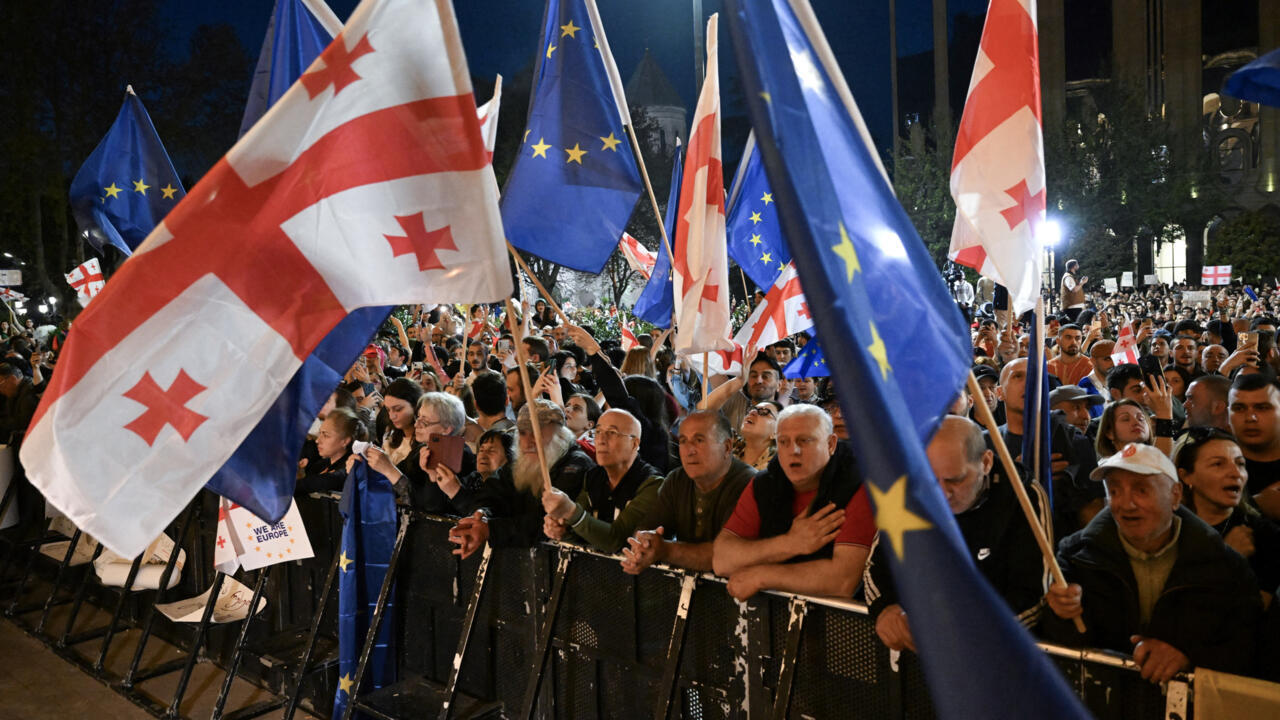
As the override vote succeeded, the streets outside the parliament building turned into a chaotic scene. Thousands gathered in protest. Tear gas and water cannons were deployed by police who tried to push back demonstrators near the gates of the legislature. Multiple people were arrested and hundreds reportedly suffered injuries. One protester later told a reporter that “…this law is a blow to our future. It silences voices who hold power to account.”
Among the key voices condemning the law was President Zourabichvili. She described the legislation as “incompatible with Georgia’s European aspirations” and warned that it undermines free speech and civil society at a time when the country is seeking closer ties with the European Union. She urged citizens not to lose hope and vowed to continue opposing what she called an authoritarian shift in the country.
International reaction was swift and harsh. According to media outlets, the European Union criticized the law, saying that it contradicts the values required for Georgia’s prospective EU membership and that adoption would seriously endanger the country’s accession prospects. The United States Department of State also issued a statement expressing deep concern over what it described as a “dangerous step away from democratic norms.”
Supporters of the law in government argued that the legislation is necessary to prevent foreign interference and ensure transparency over funding of media and civil society organizations. The head of Georgian Dream’s parliamentary faction, Mamuka Mdinaradze, told reporters that the law safeguards national sovereignty and public interest, a position strongly opposed by critics who view it as a pretext for suppressing dissent.
For many Georgians, the law and its passage mark a turning point. Not only in domestic policy but in the future trajectory of the country’s alignment between Europe and Russia. Demonstrations continued through the night with protestors carrying Georgian and EU flags, chanting slogans such as “Take your hands off our future” and “No to Russian law.” One young activist said to an international correspondent, “This is not about NGOs only. This is about whether Georgia stays free, whether our children can speak without fear.”

As dusk turned to night, the mood in central Tbilisi was tense. Some protesters attempted to block major thoroughfares; police responded with force. Others gathered in smaller groups near cafes and university buildings discussing what the law might mean for freedom of press, public organizing, and civic life. Independent media and non-profits began preparing for registration procedures under the new law, even as many vowed to resist, saying they might shut down rather than comply.
With the law officially adopted, Georgia now stands at a crossroads. The push for EU membership, which has driven much of the country’s recent political orientation, now appears imperiled. For thousands of protestors and civic groups, the foreign-influence law represents a sharp turn toward authoritarian control. For the ruling party, it represents a reclaiming of national sovereignty — but at the cost of radical domestic upheaval.