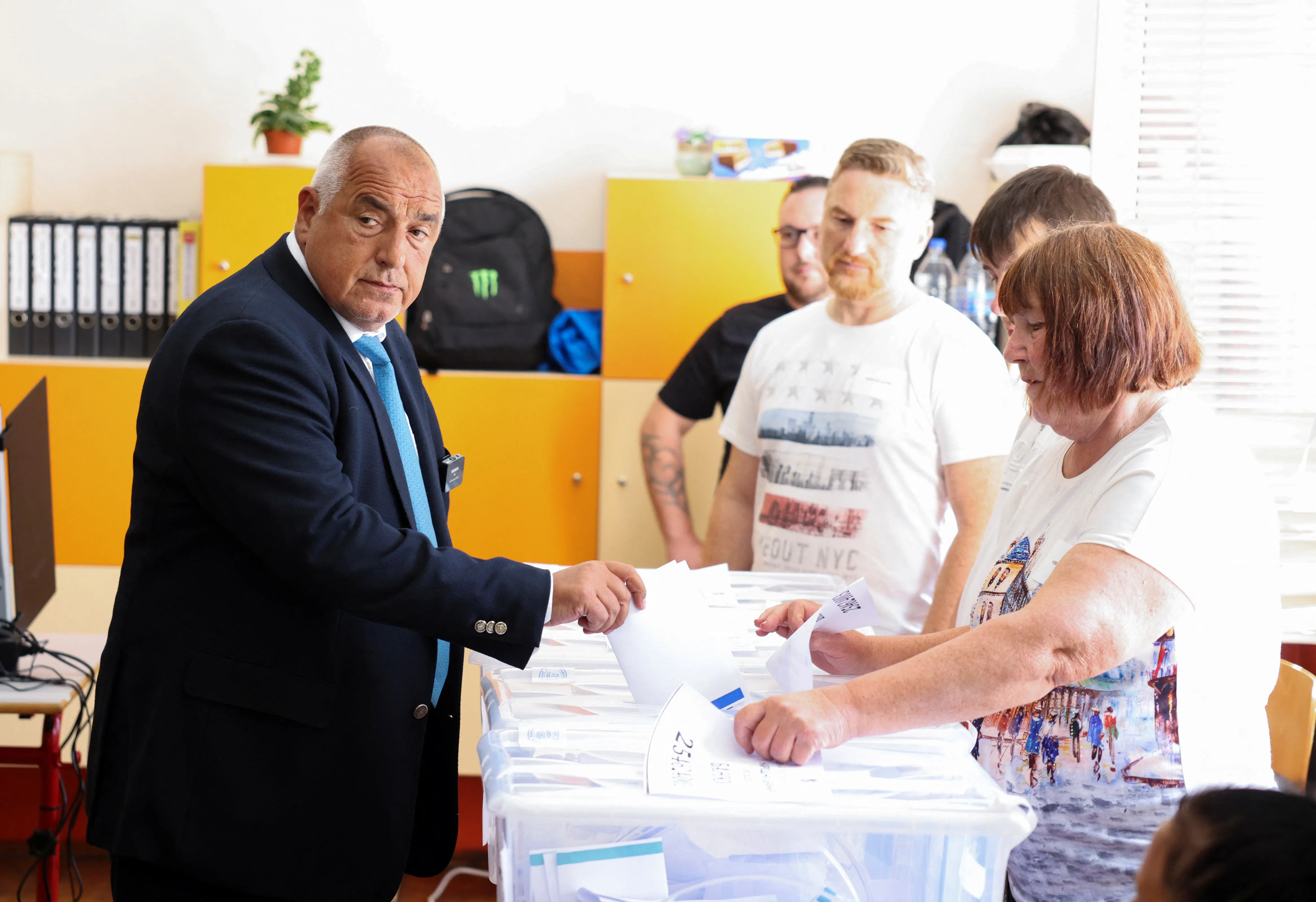
On June 9, 2024, voters in Bulgaria cast ballots in snap parliamentary elections, the sixth such vote in just three years. The results showed once again that no party earned a clear majority. According to official election returns, the centre-right coalition GERB‑SDS led by former prime minister Boyko Borisov won 68 of the 240 seats, making it the largest single group in the new National Assembly.
Trailing GERB-SDS was the ethno-minority-oriented party Movement for Rights and Freedoms (DPS), which secured 47 seats, followed by the liberal-reform coalition We Continue the Change – Democratic Bulgaria (PP-DB) with 39 seats, and the far-right nationalist group Revival with 38 seats. Smaller parties including the Bulgarian Socialist Party (BSP) and There Is Such a People (ITN) also passed the threshold and entered parliament.
Voter turnout was low. According to the external election monitor report, only about 34.4 percent of registered voters participated — the lowest turnout rate in the post-communist era for a national election in Bulgaria.

Among voters in Sofia, frustration was common. One pensioner waiting in line outside a polling station said she felt “tired of voting just to see the same chaos repeat.” Others expressed disillusionment with what they described as perpetual instability and a lack of credible alternatives.
The fragmented result triggered immediate behind-the-scenes talks among parties to try to form a coalition government. Political analysts said that even though GERB-SDS came out on top, the constellation of seats means any governing coalition would have to include at least two other parties — a difficult feat given long-standing disagreements among the factions.
International observers raised concerns as well. They warned that another prolonged political impasse could hinder reforms, block Bulgaria’s progress toward European Union benchmarks, and slow critical investments needed for infrastructure and economic recovery.
As the night progressed, lawmakers met quietly, reviewing possible coalition scenarios. Some proposed a centre-right coalition between GERB-SDS and DPS. Others floated a broader alliance including liberal and nationalist parties. But many balked at working with far-right elements, worrying about international reputation and the impact on EU relations.
In the capital’s cafés and around bulletin boards, citizens discussed what the election result meant for everyday life. Will there be stability, or will the revolving door of politics spin on, another ineffective government squeezed out under internal tension? For now, Bulgaria remains in limbo. The June 2024 vote showed clearly that the electorate is fractured, that fatigue is widespread, and that expectations for governance are high — but so far, no path to a lasting majority is clear.