On June 26, 2024, just one day after violent protests shook the capital, Kenya’s President William Ruto announced that he would not sign the controversial 2024 finance bill, effectively withdrawing it from law. The bill, which had proposed sweeping tax increases, sparked nationwide outrage, massive street protests and a deadly crackdown by police. Thousands of young demonstrators, many identified with the youth‑led movement opposing the bill, had taken to the streets since mid‑June calling for its rejection.

In a nationally televised address, Ruto said, “Listening keenly to the people of Kenya who have said loudly that they want nothing to do with this Finance Bill 2024, I concede.” He added, “Therefore I will not sign the 2024 finance bill and it shall subsequently be withdrawn.” He also promised to begin dialogue with young people and proposed austerity measures including cuts to the presidential office budget.
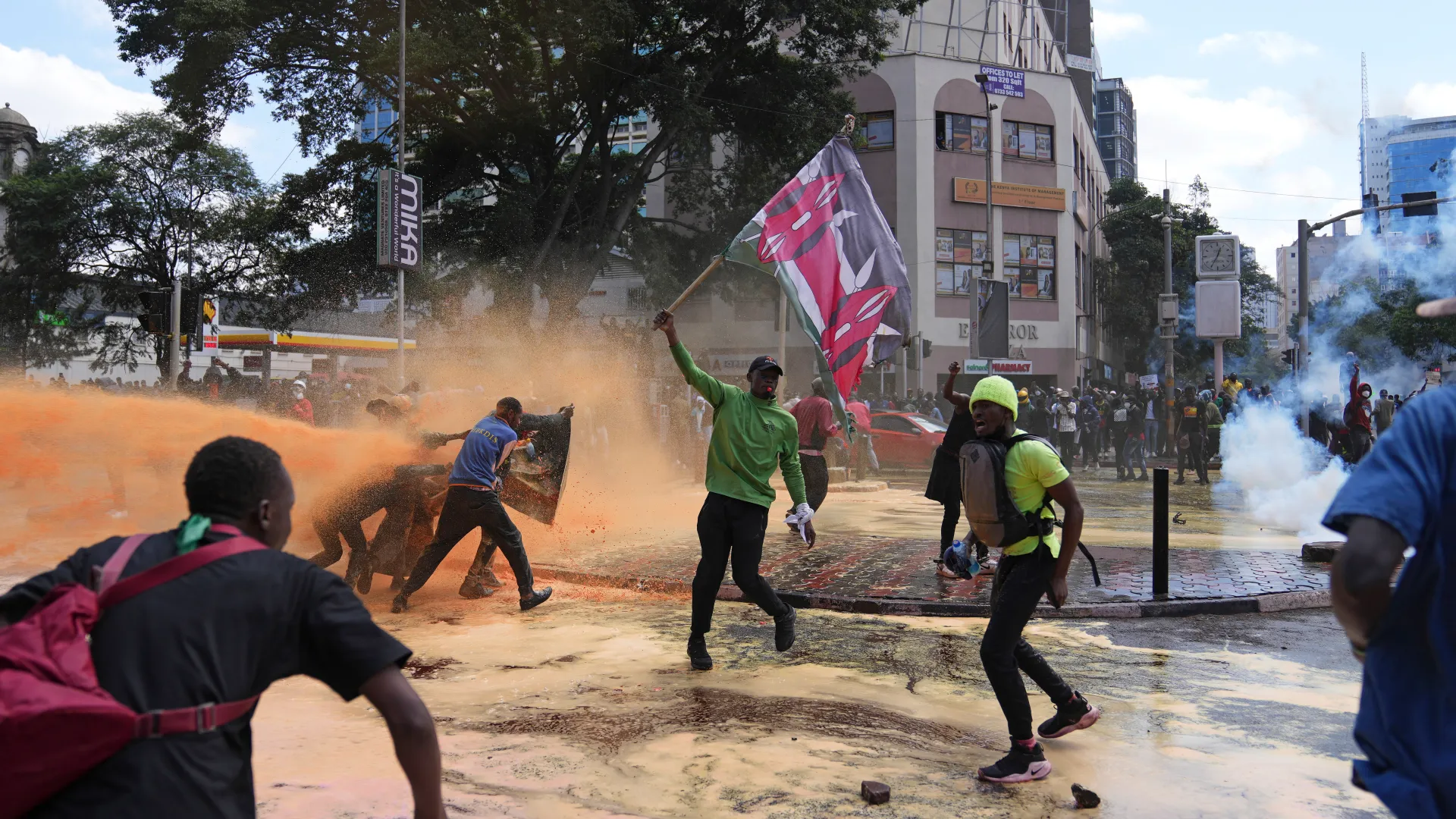
The protests had escalated sharply on June 25 when demonstrators stormed the grounds of the national Parliament in Nairobi following the bill’s passage. Witnesses reported that protesters broke through the fence, entered parts of the building, and several buildings were set on fire. Police responded with tear gas, water cannon, and reportedly live ammunition. Rights groups later said dozens of people were killed nationwide and hundreds injured.
One vocal figure in the protests was youth activist Hanifa Adan, who had emerged as a prominent voice on social media for the movement. After the news of the bill’s withdrawal, she wrote on X: “You will not be forgotten!!! #RejectFinanceBill2024” to mark the victims of the crackdown.
The public backlash had been building since the finance bill was tabled in Parliament in mid-June. The bill proposed new and increased taxes on essential items such as fuel, bread, cooking oil, vehicle ownership and financial transactions, measures many Kenyans said would deepen economic hardship amid rising living costs. Analysts and opposition figures warned that the burden would fall hardest on working‑class families.
On June 20, just days before the final parliamentary vote, nationwide protests began. In Nairobi and other cities, including Nakuru, Kisumu, Eldoret and Nyeri, demonstrators took to the streets in large numbers. In the capital, riot police used tear gas and water cannon to disperse crowds near Parliament, where lawmakers were debating the bill. Rights groups said over 200 protesters were injured and more than 100 arrested.
That week’s events represented one of the most serious tests of past decades for Ruto’s administration, which had come into office pledging economic relief and support for ordinary Kenyans. Many young people today see the events as a turning point in Kenyan civic engagement — a moment when grassroots organizing and digital mobilization forced national policy to change. As one protester told reporters on June 25, “We are already paying taxes, and they are not doing much with it, so how can we trust them with more?”
International observers and human‑rights organizations condemned the police violence and called for investigations into the killings, arrests, and alleged abductions of protesters.
As night fell on June 26 and Ruto’s concession spread across social media, many in Nairobi gathered quietly outside memorial vigils for those who died. Some youth organizers cautioned that while the withdrawal is a victory, deeper reforms, especially around cost of living, governance, and police accountability, remain unrealized.
June 2024 may go down as a defining moment in Kenya’s modern political history; one where tax policy, economic hardship, youthful dissent, and public pressure converged to force rapid change. The country now faces the challenge of rebuilding trust and addressing the grievances that pushed thousands to the streets.