On August 26, 2024 the office of Special Counsel Jack Smith filed an appeal urging the 11th U.S. Circuit Court of Appeals to reinstate the criminal case against former President Donald J. Trump. The original case had been dismissed in mid‑July by U.S. District Judge Aileen M. Cannon, who ruled that Smith’s appointment was unlawful. The filing sets the stage for what could become a prolonged legal fight over both the specifics of the case and the broader legitimacy of special‑counsel appointments.
According to the filing, prosecutors argued that Judge Cannon’s decision departed from decades of precedent and misinterpreted the statutes authorizing the appointment of a special counsel. The brief states that the Attorney General has long held authority to appoint special prosecutors under existing federal law and that Cannon’s ruling “deviates from an otherwise unbroken course of decisions.” Prosecutors asked the appeals court to reverse her dismissal and remand the case for further proceedings.
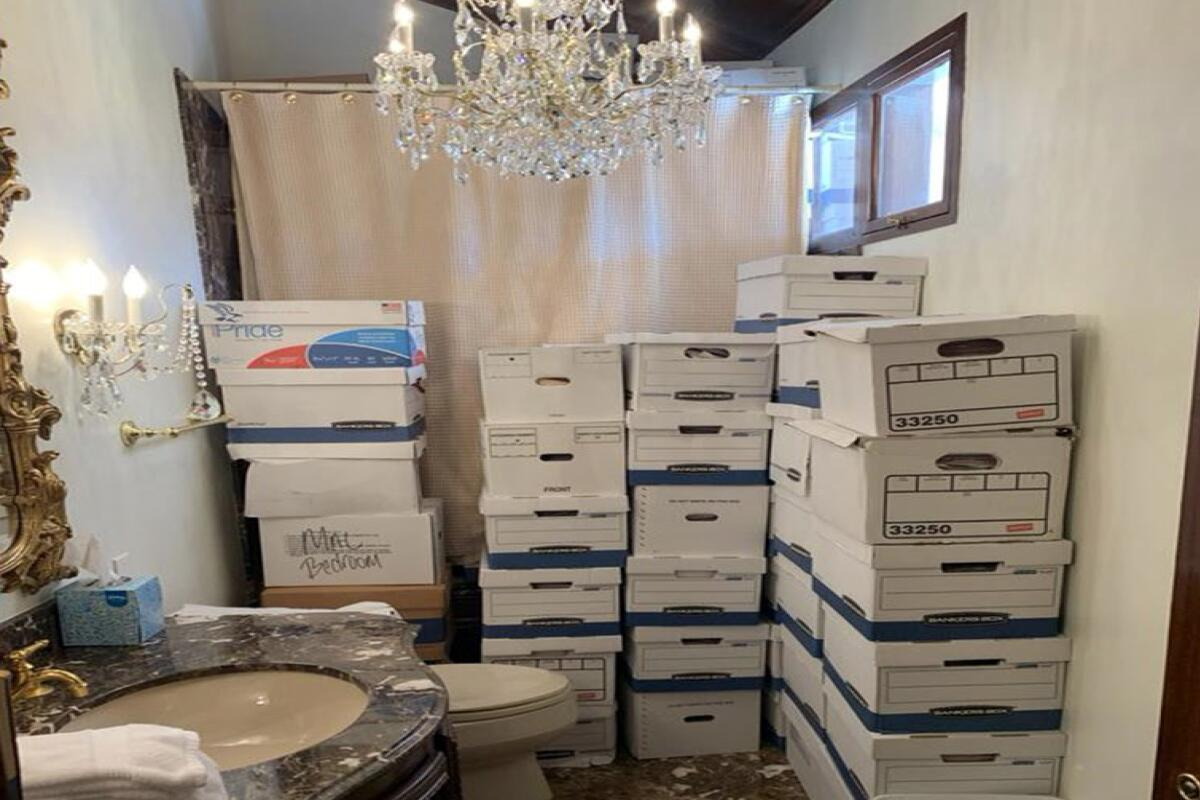
In Florida, the superseding indictment charged Trump with improper retention of hundreds of classified documents at his Mar‑a‑Lago estate, and with obstruction for allegedly hindering government efforts to recover them after leaving office. Judge Cannon dismissed those charges on July 15, concluding the appointment of Smith lacked constitutional grounding because he was not a Senate‑confirmed Justice Department official. The sudden dismissal shocked legal experts who have long recognized special counsel appointments by attorneys general.
Prosecutors emphasized in their appeal that Smith’s appointment and any resulting prosecution align with longstanding Department of Justice practice including precedent from historic cases such as the Watergate era. They argued that Cannon’s narrow interpretation threatens to call into question special‑counsel appointments throughout the executive branch.

Trump’s legal team responded quickly with a statement denouncing the appeal as “another step in the weaponization of justice.” They urged the 11th Circuit to uphold Cannon’s ruling and argued that reinstating the case would deepen political divisions rather than serve justice.
The appeal adds fresh urgency to a legal and political drama unfolding just weeks before the November election. If the court reinstates the case, prosecutors would likely resume efforts to gather evidence, re‑file charges, and move toward trial, though a realistic timetable suggests any trial would not begin before early 2025.
Meanwhile, lawmakers and political commentators reacted with concern and caution. Some Senate Republicans warned that reopening the case could further inflame partisan tensions. Democratic leaders argued the appeal is essential to uphold accountability under the law. Analysts noted that the appellate court’s decision could reshape not just this case but the broader architecture of how politically sensitive prosecutions are handled in the United States.
For now, the classified‑documents saga remains unresolved. With the appeal filed, all eyes are on the 11th Circuit, whose ruling could determine whether former presidents can be prosecuted under standard prosecutorial law or enjoy a shield from criminal liability that critics call incompatible with equal justice under law.