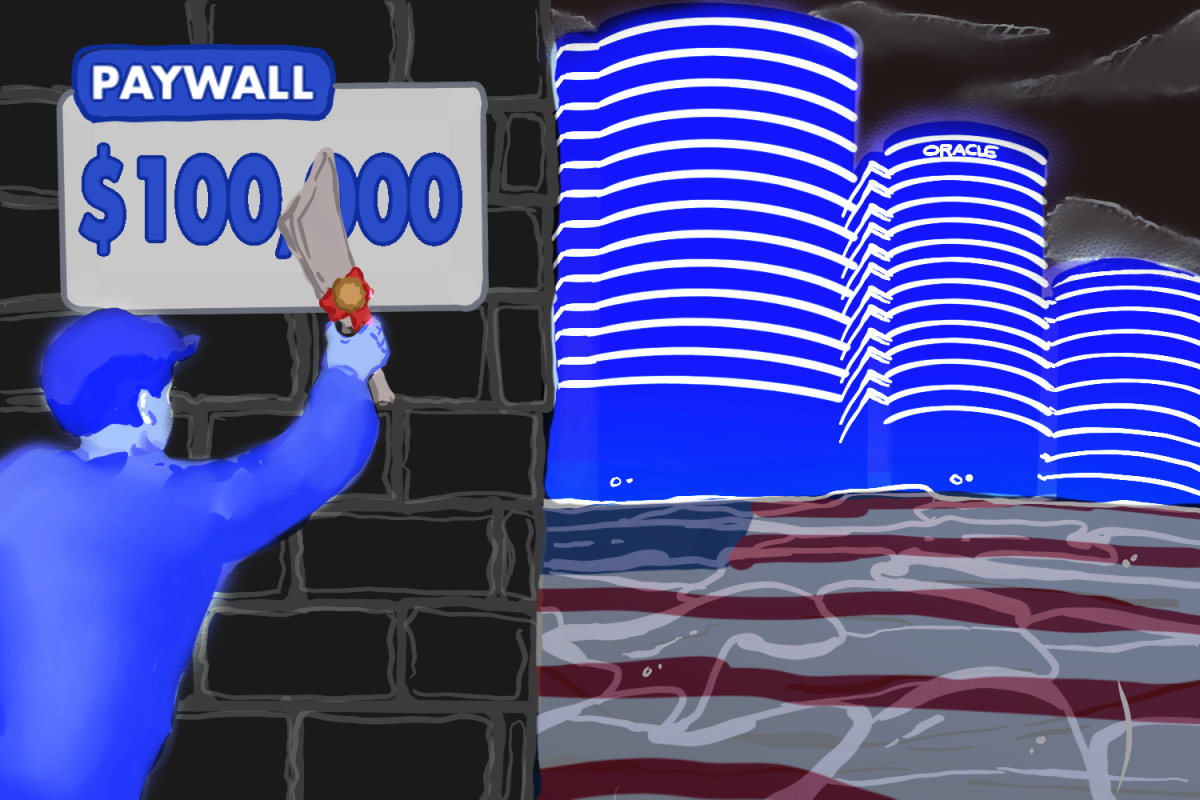
In the early hours of July 17, 2025, the United States Senate narrowly approved the final version of the Rescissions Act of 2025, a sweeping package proposed by the administration of Donald J. Trump that rescinds nearly $9 billion in previously approved federal funding for foreign aid and public broadcasting. The vote marked a significant shift in U.S. domestic and foreign policy priorities under the current administration.
The act rescinded more than $7 billion designated for international assistance programs, including global health initiatives, humanitarian aid, and development funding, and about $1.1 billion allocated to the Corporation for Public Broadcasting (CPB), which supports public radio and television stations such as PBS and NPR.

Senate Majority Leader John Thune defended the measure, arguing the rescissions reflect a re-alignment of national priorities. “We are choosing to prioritize American interests,” Thune said, characterizing the cuts as “necessary fiscal discipline.”
Yet the decision was fiercely criticized by public media leaders and lawmakers from both parties. Stations like WHYY, which serves parts of Pennsylvania, Delaware and New Jersey, face dire consequences. Margaret McConnell, executive director of a local NPR affiliate, warned that “thousands of communities stand to lose their lifeline for unbiased news, emergency alerts and public-service programming.”
Amid backlash, the administration faced another crisis: a sweeping freeze on education funding for the 2025–26 school year. On July 1, the federal government notified states that some $6.8 billion in K–12 aid, earmarked for after-school programs, English-language learning, migrant-student services and teacher development, would be withheld pending review.
The pause triggered immediate legal and political pushback. On July 14 more than twenty states, joined by the District of Columbia, filed a lawsuit claiming the freeze violated constitutional and statutory spending rules. The states argued the government had no authority to delay funds already approved by Congress.
For many school districts, the freeze threatened vital services. According to educators, summer-learning programs, after-school care, and English-learner support hung in the balance. Kristy Mosby, president of the Little Rock Education Association, said staff were already receiving calls from teachers uncertain whether their jobs would exist in the fall.
Facing mounting pressure, the administration reversed course on July 25. A letter from a senior Department of Education official stated that all previously frozen formula funds would be released, with “guardrails” attached to ensure compliance with federal regulations.
Education-policy advocates hailed the restoration as a “relief” for school districts nationwide. Nonetheless, the episode left lingering questions about federal stability and trust: it was the first time in decades that the executive withheld funds already approved by Congress for the start of a school year. Many officials called it a dangerous precedent.
Meanwhile, public-media funding cuts pushed many smaller local stations to the brink. Within days, several CPB-funded stations announced that they might scale back coverage, delay public-service broadcasts, or, if the funding cliff holds, shut down entirely.