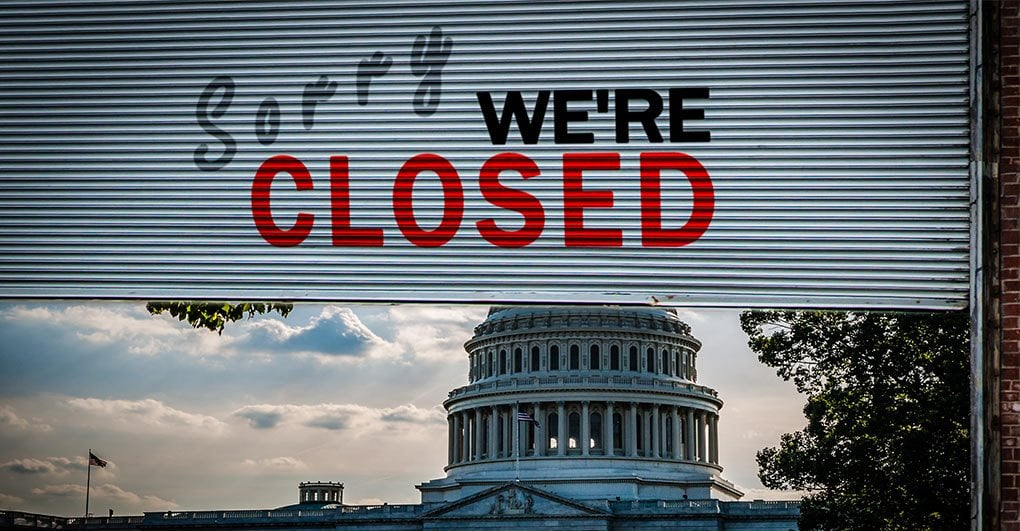
Late on the night of September 30, 2025, the United States federal government officially shut down after Congress failed to pass a continuing resolution or a full appropriations package to fund government operations. With no agreement and the fiscal year having ended, hundreds of thousands of federal workers face furlough while essential services are curtailed.
The failure came after a flurry of high-stakes negotiations and an eleventh-hour attempt by President Donald J. Trump to broker a deal with congressional leaders: a last-ditch effort that collapsed when both the Republican-led bill and the Democratic-backed alternative failed to garner the 60 votes needed in the Senate. Senate Majority Leader John Thune blamed Democrats, saying their “demands on healthcare and social spending doomed the bill.” Senate Democratic Leader Chuck Schumer countered that Republicans “chose shutdown over compromise.”
Within hours, the impact began spreading. The Office of Management and Budget sent directives to federal agencies instructing them to activate furlough plans or halt non-essential operations. Agencies such as national-parks services, some research centres, and museum sites prepared to close or reduce services.

For many federal workers the news came like a gut punch. One staff member at a federal archaeology research division said, “We have leases, bills, families. This is not just numbers on a page, this is life getting paused without warning.” Others expressed fear that paychecks could be delayed for weeks. Among those working without guarantee of pay were air-traffic controllers, TSA agents, and other employees deemed essential, raising concerns about strain, morale and economic impact across sectors.
Beyond the workforce, public-service disruptions were swift. Closures and service suspensions are expected at many national historic sites, parts of the health-research infrastructure, and regulatory and inspection bodies. The shutdown also threatens delays in expected economic data releases, including labor-market and inflation reports, which analysts warn could cloud financial markets and business planning just as the Federal Reserve weighs policy moves.
Many Americans viewed the shutdown with frustration. Opinion polling reported by media outlets suggests public blame is already falling disproportionately on the current administration and congressional Republicans, with a sizeable share of independents expressing concern over prolonged uncertainty.